
Low-level light therapy takes a different approach to dry eye care by using targeted light energy to support the tissues involved in tear production and ocular surface health. Also known as photobiomodulation, this noninvasive treatment may help patients whose symptoms are tied to inflammation, meibomian gland dysfunction, or an unstable tear film.
The Dry Eye Center at Siepser Eyecare in Wayne, PA offers advanced treatment options for patients whose symptoms have not improved enough with basic measures alone. Michele Pendrak Bush, O.D., focuses on identifying the specific factors affecting each patient’s tear film and ocular surface, then matching treatment to those findings. Low-level light therapy may be one part of that customized approach.
What Is Low-Level Light Therapy?
Low-level light therapy, or LLLT, uses specific wavelengths of light to stimulate biological processes without the tissue heating used in radiofrequency treatments. This approach is often called photobiomodulation.
For dry eye, LLLT is being used as an in-office treatment for patients with meibomian gland dysfunction and other ocular surface concerns. Research suggests that it may help reduce inflammation and support healthier tissue activity around the eyelids and tear-producing structures.
How Can LLLT Help With Dry Eye?
A healthy tear film depends on several systems working together. One of the most important is the meibomian glands, which produce oils that help keep tears from evaporating too quickly.
When these glands don’t function properly, patients may experience burning, grittiness, redness, fluctuating vision, or excessive watering. Low-level light therapy may help by supporting cellular activity and reducing inflammatory processes that can contribute to dry eye and meibomian gland dysfunction. Studies have reported improvements in certain dry eye symptoms and ocular surface measures after treatment, although response can vary between patients.
Who May Benefit From Low-Level Light Therapy?
LLLT may be considered for patients whose dry eye symptoms are linked to meibomian gland dysfunction, inflammation, or other ocular surface problems.
Symptoms that may lead to a dry eye evaluation include:
-
Burning or stinging
-
A gritty or sandy feeling
-
Redness
-
Fluctuating or blurry vision
-
Light sensitivity
-
Eye fatigue
-
Excessive tearing
-
Contact lens discomfort
Because these symptoms can have multiple causes, an evaluation at the Dry Eye Center is important before choosing a treatment.
What Happens During Treatment?
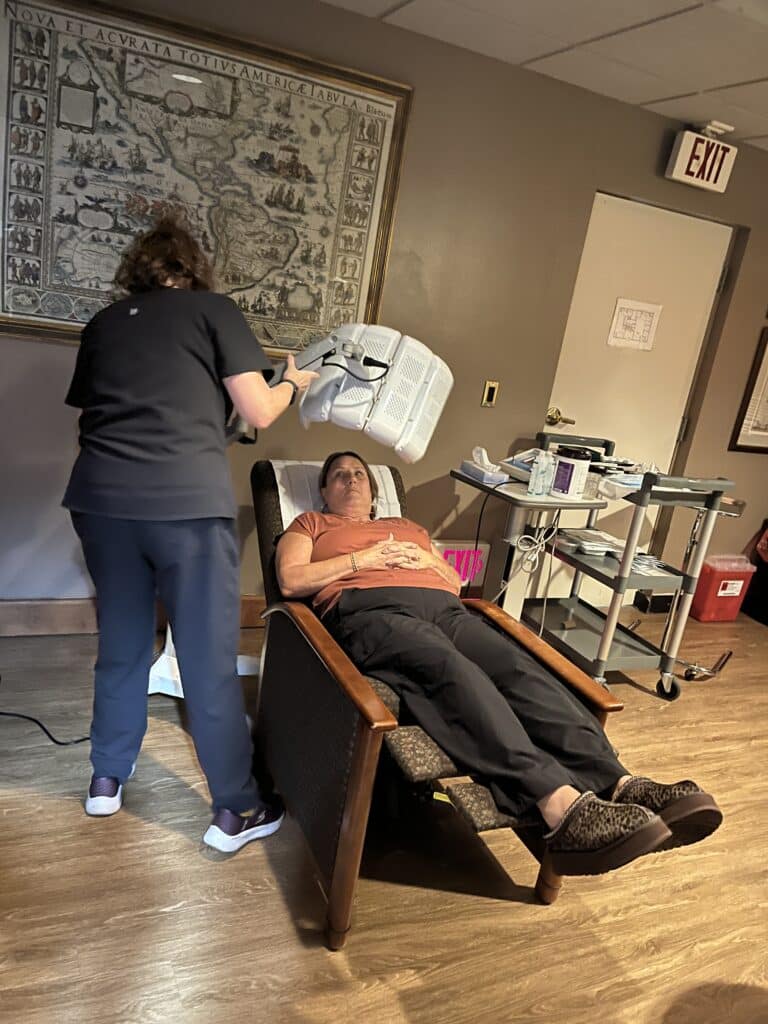
Low-level light therapy is typically performed in the office using a device that delivers controlled light to the area around the eyes. The treatment does not involve incisions or injections.
The number of sessions needed varies depending on the severity of dry eye and the treatment protocol used. Patients can generally return to their normal activities after treatment.
How Does LLLT Fit Into a Dry Eye Treatment Plan?
Low-level light therapy is rarely the only option available for persistent dry eye. Depending on the cause, it may be combined with IPL therapy, radiofrequency treatment, MiBoFlo, prescription eye drops, eyelid care, or other therapies.
The Dry Eye Center can also address ocular surface problems before and after LASIK, PRK, cataract surgery, and other vision correction procedures. Improving the tear film beforehand may help support more reliable measurements and better visual comfort during recovery.
Why Choose Siepser Eyecare for Low-Level Light Therapy?
Siepser Eyecare’s Dry Eye Center gives patients access to more than a single treatment option. Michele Pendrak Bush, O.D., has extensive experience managing difficult dry eye cases and can compare several therapies based on gland function, inflammation, tear quality, and overall ocular surface health.
That broader perspective is especially helpful when symptoms have persisted despite artificial tears or other conservative measures. Consider low-level light therapy alongside treatments such as IPL, radiofrequency, MiBoFlo, prescription therapy, and eyelid care, rather than using it in isolation. Dry eye management can also be coordinated with LASIK, PRK, cataract surgery, and other vision correction procedures when ocular surface health may affect comfort or visual quality.
Explore Low-Level Light Therapy in Wayne, PA
Low-level light therapy may provide another option for patients whose dry eye is linked to inflammation or meibomian gland dysfunction. The Dry Eye Center at Siepser Eyecare provides personalized evaluation and advanced treatment options for persistent dry eye in Wayne, PA. Call (610) 265-2020 to schedule a consultation and find out whether low-level light therapy may fit into your dry eye treatment plan.