
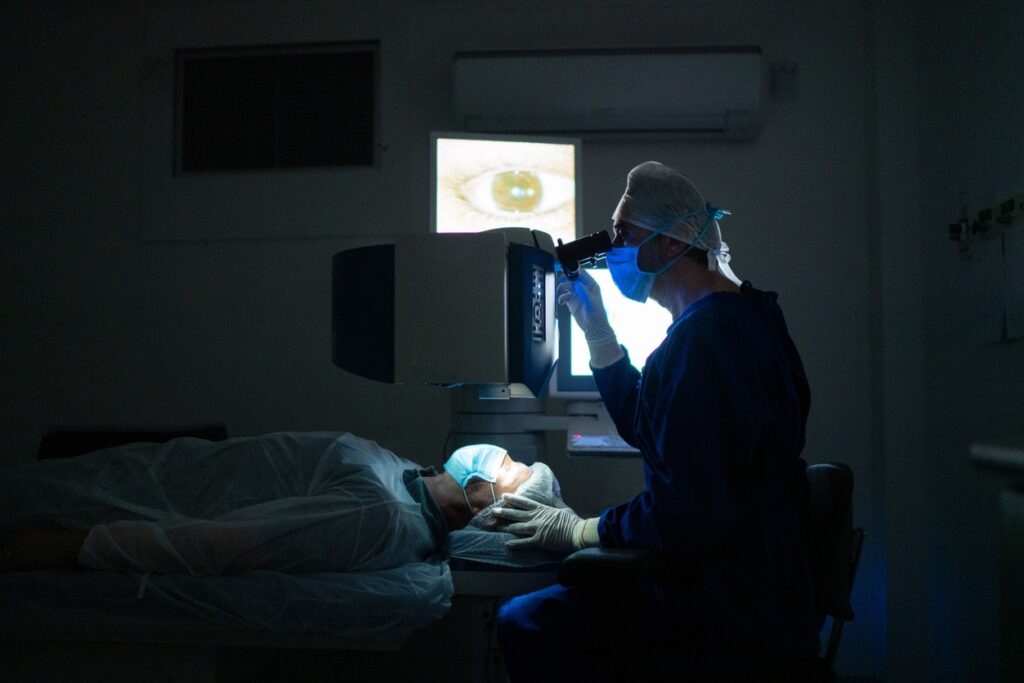
Cataract surgery becomes an option when cloudy vision, glare, or difficulty seeing at night starts getting in the way of everyday life. The procedure removes the eye’s cloudy natural lens and replaces it with a clear artificial lens, allowing light to focus more effectively again. For many patients, surgery can significantly improve clarity and make activities such as reading, driving, and watching television easier.
Steven B. Siepser, M.D., F.A.C.S., has decades of experience performing cataract surgery at Siepser Eyecare in Wayne, PA, including complicated cases and procedures involving intraocular lens concerns. His background in advanced eye surgery and management of lens implant complications can be especially valuable when cataract treatment requires more careful planning than a routine case.
When Is Cataract Surgery Recommended?
A cataract does not always need surgery as soon as it is diagnosed. Your provider may recommend monitoring the cataract if vision remains functional and symptoms are mild.
Surgery may become appropriate when cataracts begin interfering with activities that matter to you, such as:
- Driving, especially at night
- Reading or working on a computer
- Recognizing faces clearly
- Seeing in dim lighting
- Managing glare from headlights or bright lights
- Performing work or hobbies that require detailed vision
The decision depends on how much the cataract affects daily life, not cataract size alone.
What Happens During Cataract Surgery?
Cataract surgery is typically performed as an outpatient procedure. The eye is numbed, and the cloudy natural lens is carefully broken apart and removed through a small incision.
An intraocular lens, or IOL, is then placed inside the eye to replace the natural lens. The new lens stays in the eye permanently and helps focus light after the cataract is removed.
Surgeons usually perform surgery on one eye at a time, treating the second eye separately if needed.
What Lens Options Are Available?
Lens selection is an important part of cataract surgery because different IOLs offer different types of vision correction.
A basic lens generally provides clear vision at one main distance. Patients may still need glasses for activities such as reading or computer work.
Premium lens options may offer additional features, including astigmatism correction or a broader range of focus. The best choice depends on eye health, prescription, lifestyle, and visual priorities.
Your provider can explain the benefits and limitations of each option so you know what to expect before surgery.
What Is Recovery Like After Cataract Surgery?
Many patients notice improved vision within the first several days, although clarity can continue to change as the eye heals.
Temporary symptoms may include:
- Mild irritation or grittiness
- Light sensitivity
- Blurry or fluctuating vision
- Mild redness
Prescription eye drops are commonly used during recovery, and patients are typically asked to avoid rubbing the eye and certain strenuous activities for a short period.
Follow-up visits allow your provider to check healing, eye pressure, and the position of the lens implant.
Can Cataract Surgery Correct Other Vision Problems?
Depending on the lens selected and the condition of the eye, cataract surgery may also address certain refractive errors.
Astigmatism can sometimes be treated with a toric premium lens, while other premium lens technologies may provide vision at multiple distances. Some patients may still need glasses after surgery, even with an advanced lens.
A detailed evaluation helps determine what level of correction is realistic based on the cornea, retina, optic nerve, and other eye structures.
Why Choose Siepser Eyecare for Cataract Surgery?
Cataract surgery can be straightforward in some patients and considerably more complex in others. Steven B. Siepser, M.D., F.A.C.S., has more than 40 years of experience in eye surgery, with particular expertise in complicated cataract procedures, intraocular lens conditions, and management of implant-related problems.
That experience is especially valuable for patients with previous eye surgery, unusual anatomy, lens complications, or other factors that may require a more customized surgical plan. Patients also receive comprehensive preoperative and postoperative care from the Siepser Eyecare team in Wayne, helping ensure lens selection, ocular surface health, healing, and long-term vision are considered throughout the process.
Explore Cataract Surgery in Wayne, PA
Cataract surgery can restore clearer vision when clouding of the natural lens begins interfering with everyday activities. Siepser Eyecare provides detailed cataract evaluations, individualized lens planning, and postoperative care for patients in Wayne, PA. Call (610) 265-2020 to schedule a consultation and learn whether cataract surgery is the right next step for your vision.