
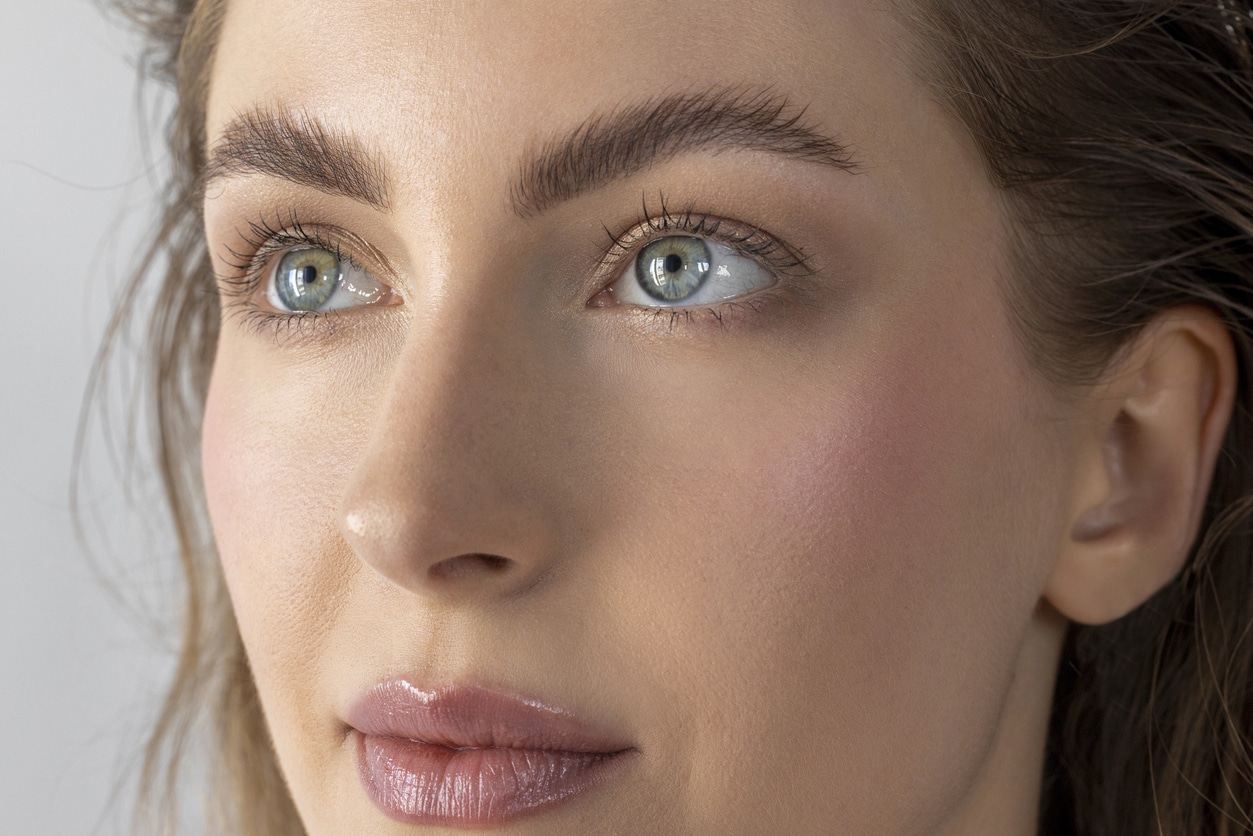
Dry, burning, irritated eyes are not always caused by a simple lack of tears. For many patients, the problem involves inflammation or poor function of the oil-producing glands along the eyelids. IPL therapy, or intense pulsed light therapy, offers a noninvasive way to address some of these underlying factors and improve tear film stability.
At the Dry Eye Center at Siepser Eyecare in Wayne, PA, Michele Pendrak Bush, O.D., leads care for patients with persistent and complex dry eye symptoms. As the practice’s dry eye specialist, Dr. Pendrak evaluates tear quality, eyelid gland function, inflammation, and other factors that may be contributing to discomfort. IPL therapy may be recommended as part of a broader treatment plan when meibomian gland dysfunction or inflammation is playing a significant role.
How Does IPL Therapy Help Dry Eye?
The tear film contains an oily outer layer produced by the meibomian glands in the eyelids. This oil helps slow tear evaporation and keeps the surface of the eye comfortable.
When these glands become blocked or do not produce healthy oils, tears may evaporate too quickly. This condition, called meibomian gland dysfunction, commonly contributes to evaporative dry eye.
IPL therapy delivers carefully controlled pulses of light to the skin around the eyes. Treatment can help reduce inflammatory processes associated with dry eye and support healthier meibomian gland function. After IPL, additional eyelid treatments may sometimes be used to help release oils from the glands.
Who May Benefit From IPL for Dry Eye?
IPL is not the right treatment for every type of dry eye. It is generally most useful when the evaluation shows that inflammation, meibomian gland dysfunction, or excessive tear evaporation is playing a significant role.
Symptoms that may lead to a dry eye evaluation include:
-
Burning or stinging
-
Gritty or sandy sensations
-
Red or irritated eyes
-
Fluctuating or blurry vision
-
Excessive watering
-
Sensitivity to light
-
Contact lens discomfort
-
Eye fatigue
Because several different problems can cause similar symptoms, identifying the cause first helps you avoid treatments that may only provide temporary relief.
What Happens During IPL Therapy?
IPL treatment is performed around the eye area while the eyes are carefully protected. A series of light pulses is applied to targeted areas of the skin according to the treatment plan.
Sessions are generally brief, and patients can typically return to normal daily activities afterward. Some temporary warmth, redness, or sensitivity around the treated skin may occur.
Dry eye often requires more than one treatment session, particularly when chronic meibomian gland dysfunction is involved. The number and timing of sessions will depend on the severity of the condition and how the eyes respond.
How Does IPL Fit Into a Dry Eye Treatment Plan?
Dry eye often involves several factors at once, so IPL may be only one part of treatment. Depending on the evaluation findings, care may also include lubricating or prescription eye drops, warm compresses, eyelid hygiene, treatments targeting the meibomian glands, or habit changes that contribute to tear evaporation.
Treating dry eye can also be important before and after vision correction procedures. An unstable tear film may affect visual comfort and the quality of measurements used for procedures such as LASIK, PRK, or cataract surgery. Improving the ocular surface first can help create a healthier foundation for subsequent eye care.
Why Choose Siepser Eyecare for IPL Therapy?
The Dry Eye Center at Siepser Eyecare addresses the underlying causes of dry eye rather than relying on temporary symptom relief alone. Michele Pendrak Bush, O.D., serves as the practice’s dry eye specialist and has more than 12 years of diverse eye care experience, including treatment of challenging ocular surface conditions and meibomian gland dysfunction.
Her expertise allows IPL therapy to be incorporated into a broader plan based on tear quality, eyelid gland function, inflammation, and each patient’s symptoms. The Dry Eye Center also supports patients before and after vision correction procedures, helping improve ocular surface health when dryness could affect comfort, measurements, healing, or visual quality.
Find Relief With IPL Therapy in Wayne, PA
Persistent dry eye symptoms may require more than artificial tears, especially when meibomian gland dysfunction or inflammation is involved. IPL therapy can provide a targeted option for appropriately selected patients as part of a personalized dry eye treatment plan. Call Siepser Eyecare in Wayne, PA at (610) 265-2020 to schedule a consultation and find out whether IPL therapy may be appropriate for your dry eye symptoms.