
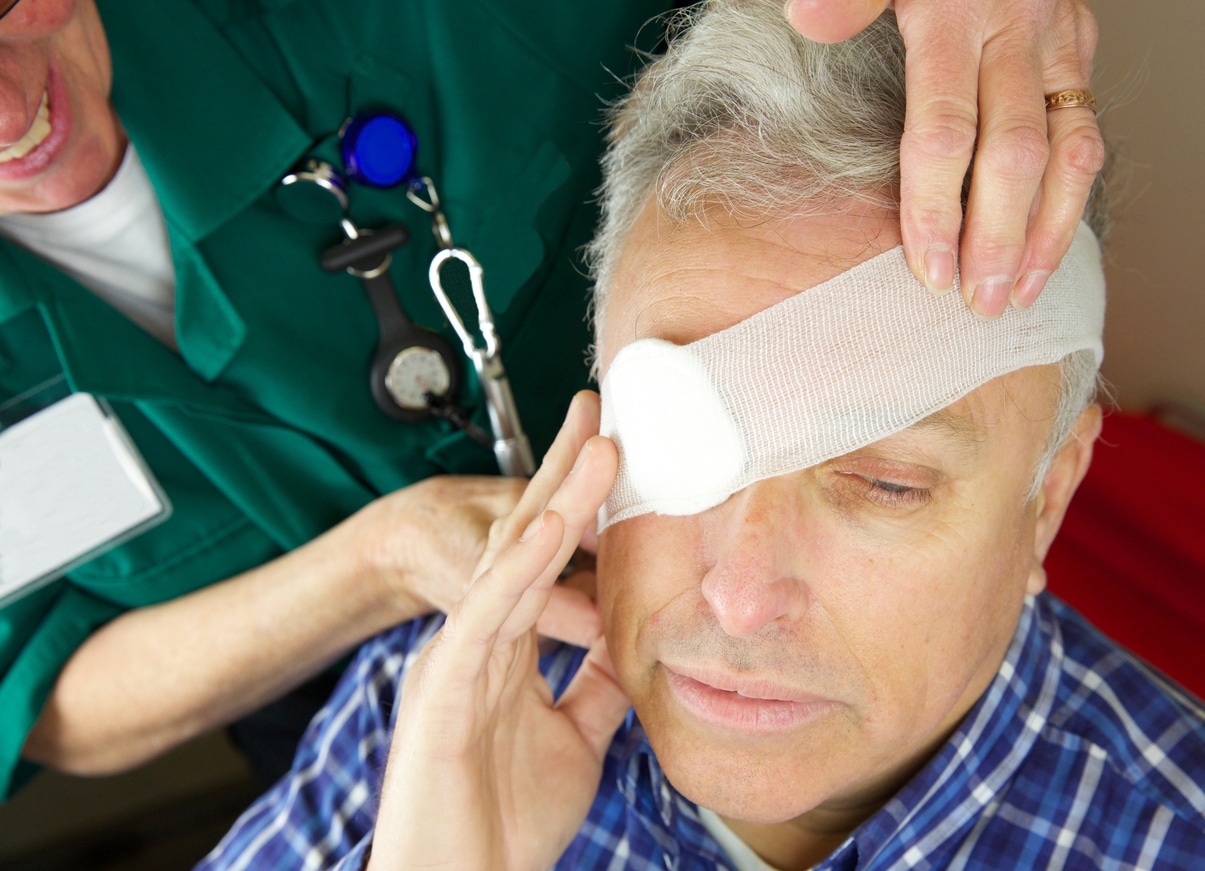
Serious eye injuries can affect much more than comfort. Trauma may damage the cornea, lens, iris, internal structures, or surrounding tissues, and in some cases the eye may need reconstructive surgery to restore function, improve vision, or protect the eye from further damage. Eye trauma reconstruction is highly individualized because no two injuries affect the eye in exactly the same way.
Steven B. Siepser, M.D., F.A.C.S., has spent decades treating patients whose vision has been affected by trauma or disease. At Siepser Eyecare in Wayne, PA, his experience with complex eye surgery, cataract complications, intraocular lens problems, and reconstructive procedures is especially valuable when an injury requires more than routine treatment. The first step is determining which structures have been damaged and what can be repaired safely.
When Is Eye Trauma Reconstruction Needed?
Not every eye injury requires reconstructive surgery. Minor abrasions, superficial injuries, or uncomplicated foreign bodies may heal with medication and monitoring.
Reconstruction may be considered when trauma has caused more significant structural damage, such as:
-
Corneal lacerations or scarring
-
Damage to the iris
-
Traumatic cataracts
-
Dislocated or damaged intraocular lenses
-
Lens capsule injuries
-
Penetrating eye injuries
-
Damage from blunt trauma
-
Irregular pupils after injury
-
Multiple structures being affected at the same time
Your provider will evaluate both the immediate injury and the longer-term effects on vision before recommending surgery.
How Is Eye Trauma Evaluated?
A complete examination is important because some damage may not be visible from the outside. Testing may include a detailed look at the front and back of the eye, eye pressure measurements, dilation, and imaging when needed.
The evaluation helps determine whether the cornea, lens, retina, iris, or other internal structures have been affected. Previous eye surgery or implanted lenses are also important considerations because trauma can shift or damage existing implants.
In complex cases, treatment may need to happen in stages rather than all at once.
What Does Eye Trauma Reconstruction Involve?
Reconstructive treatment depends entirely on the type and severity of the injury. Some procedures focus on repairing a single damaged structure, while others may involve several parts of the eye.
Treatment may include:
-
Repair of corneal wounds
-
Cataract removal after traumatic lens damage
-
Replacement or repositioning of an intraocular lens
-
-
Management of scar tissue
-
Repair of structural damage inside the eye
-
Additional procedures to improve visual function after healing
The goal is to preserve the eye, restore as much useful vision as possible, and improve long-term stability.
What Is Recovery Like After Reconstructive Eye Surgery?
Recovery varies widely depending on the injury and the type of surgery performed. Some patients may notice improvement relatively quickly, while others need a longer healing period or additional procedures.
Recovery often includes prescription eye drops, temporary activity restrictions, and close follow-up. Vision may fluctuate as swelling decreases and the eye heals.
Your provider will also monitor for complications such as inflammation, increased eye pressure, infection, retinal problems, or changes related to lens implants.
Can Vision Always Be Restored After Eye Trauma?
The amount of vision you can recover depends on which structures were damaged and how severe the injury was. In some cases, reconstructive surgery can restore significant function. In others, the goal may be to stabilize the eye, improve comfort, or preserve the vision that remains.
Early evaluation and careful surgical planning can improve the chances of a better outcome, but every injury has different limitations. A realistic discussion of expected results is an important part of treatment planning.
Why Choose Siepser Eyecare for Eye Trauma Reconstruction?
Eye trauma reconstruction requires experience with complex anatomy, surgical problem-solving, and unexpected findings. Steven B. Siepser, M.D., F.A.C.S., has devoted much of his career to restoring sight after trauma and disease and is known for taking on difficult cases that other surgeons may not routinely treat.
His areas of focus include eye trauma reconstruction, complicated cataract surgery, intraocular lens conditions, and management of implant complications. This broad surgical background is especially important when an injury affects several parts of the eye at once. Patients also benefit from ongoing care through the Siepser Eyecare team in Wayne, allowing close monitoring of healing and visual changes after surgery.
Explore Eye Trauma Reconstruction in Wayne, PA
Complex eye injuries can require specialized surgical care to restore function and protect long-term vision. Siepser Eyecare provides evaluation and reconstructive treatment for patients with significant eye trauma in Wayne, PA. Call (610) 265-2020 to schedule a consultation and discuss the next steps for your eye injury.