
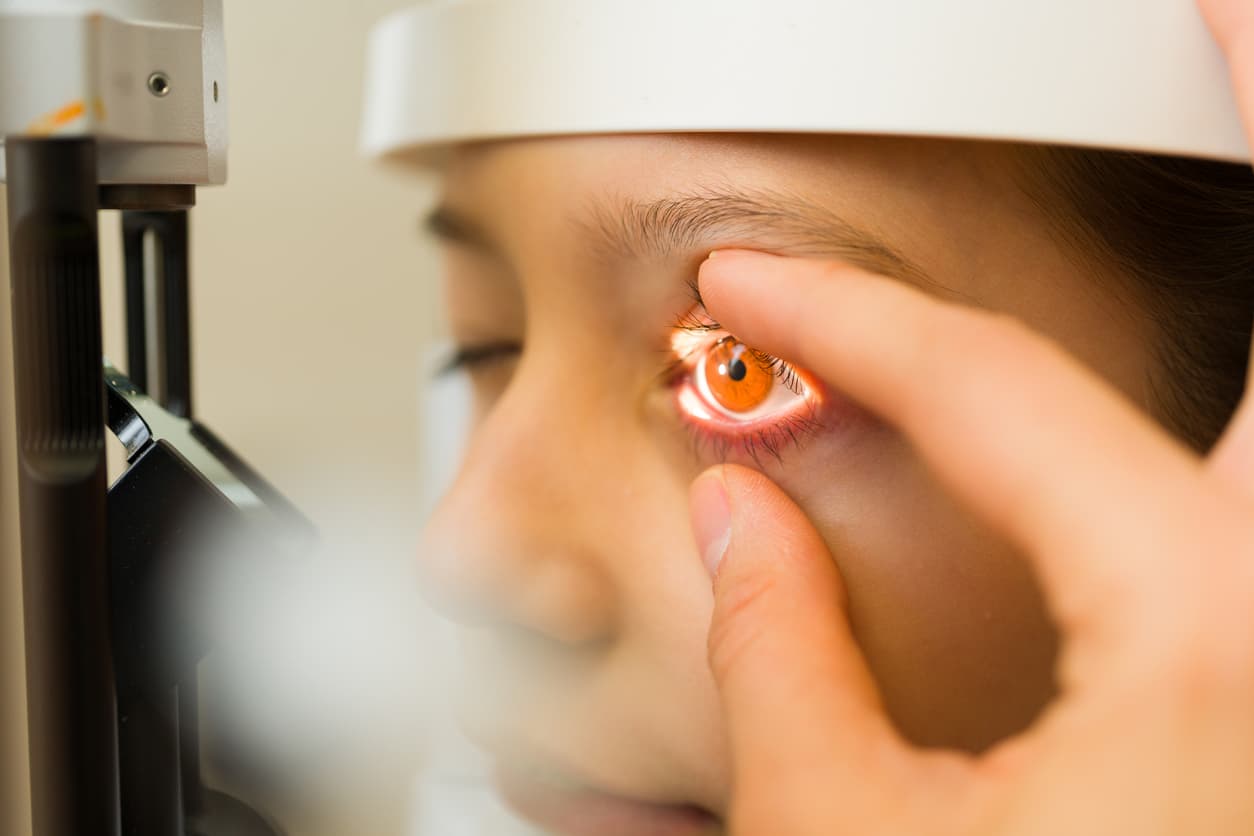
When the outer surface of the cornea becomes damaged or heals irregularly, it can cause pain, light sensitivity, tearing, and blurry vision. Corneal debridement removes damaged or poorly attached surface cells so healthier tissue can grow back more smoothly.
At Siepser Eyecare in Wayne, PA, patients with corneal surface problems can receive careful evaluation and treatment from an experienced eye care team led by Steven B. Siepser, M.D., F.A.C.S. His background in complex eye surgery and corneal-related vision problems can be especially valuable when the eye surface has been affected by injury, recurrent erosion, prior surgery, or other conditions that interfere with healing.
What Is Corneal Debridement?
Corneal debridement is a procedure that removes loose, damaged, or irregular epithelial cells from the outermost layer of the cornea. The cornea is the clear front surface of the eye, and its outer layer needs to remain smooth for comfortable, clear vision.
When that layer doesn’t heal properly, damaged tissue may continue to cause irritation or recurring symptoms. Removing the unhealthy surface cells gives the cornea a chance to regenerate a healthier layer.
Why Is Corneal Debridement Performed?
Your provider may recommend corneal debridement when the cornea’s surface isn’t healing normally or when damaged epithelial tissue continues to cause symptoms.
It may be used for conditions such as:
-
Recurrent corneal erosion
-
Persistent corneal abrasions
-
Irregular or poorly attached epithelial tissue
-
Certain superficial corneal injuries
-
Surface damage after previous eye surgery
-
Corneal deposits or abnormal surface tissue in select cases
The exact reason for treatment depends on the condition of the cornea and how much the damaged tissue is affecting comfort or vision.
What Happens During the Procedure?
Corneal debridement is typically performed using numbing eye drops to keep the eye comfortable. Your provider gently removes the abnormal or loose surface cells from the affected area of the cornea.
The procedure itself is usually brief. After the damaged tissue is removed, your provider may place a bandage contact lens over the eye to protect the surface while new epithelial cells grow back.
Doctors may also prescribe medication to reduce discomfort, prevent infection, and support healing.
What Is Recovery Like After Corneal Debridement?
The corneal surface generally begins healing soon after the procedure, but the first few days may involve temporary discomfort.
Patients may notice:
-
Light sensitivity
-
Tearing
-
A gritty or foreign-body sensation
-
Temporary blurry vision
-
Mild to moderate soreness
A bandage contact lens may remain in place for several days, depending on how the eye is healing. Follow-up visits allow your provider to confirm the new epithelial layer is forming properly and to check for signs of infection or delayed healing.
How Long Does It Take the Cornea to Heal?
Healing time varies depending on the size of the treated area, the underlying condition, and overall eye health. The outer corneal layer can begin regenerating quickly, but full comfort and visual clarity may take longer.
Patients with recurrent corneal erosion or other chronic surface problems may need additional treatment even after the initial surface heals. Your provider may recommend lubricating drops, ointments, or other therapies to help reduce the chance of symptoms returning.
Why Choose Siepser Eyecare for Corneal Debridement?
Corneal surface problems can look straightforward but may persist when the underlying tissue does not heal properly. Steven B. Siepser, M.D., F.A.C.S., has decades of experience treating complex eye conditions, trauma-related injuries, and surgical complications that can affect the cornea and visual quality.
Patients also benefit from comprehensive follow-up through the Siepser Eyecare team in Wayne. This is especially important when corneal damage is connected to dry eye, previous surgery, contact lens wear, or another ocular condition that may need continued management. Treatment can therefore focus not only on removing damaged tissue, but also on supporting healthier healing afterward.
Explore Corneal Debridement in Wayne, PA
Corneal debridement can help a damaged eye surface heal more smoothly and comfortably. Siepser Eyecare provides evaluation, treatment, and follow-up for patients with recurrent corneal irritation and other surface problems in Wayne, PA. Call (610) 265-2020 to schedule a consultation and learn whether corneal debridement may be appropriate for your condition.