
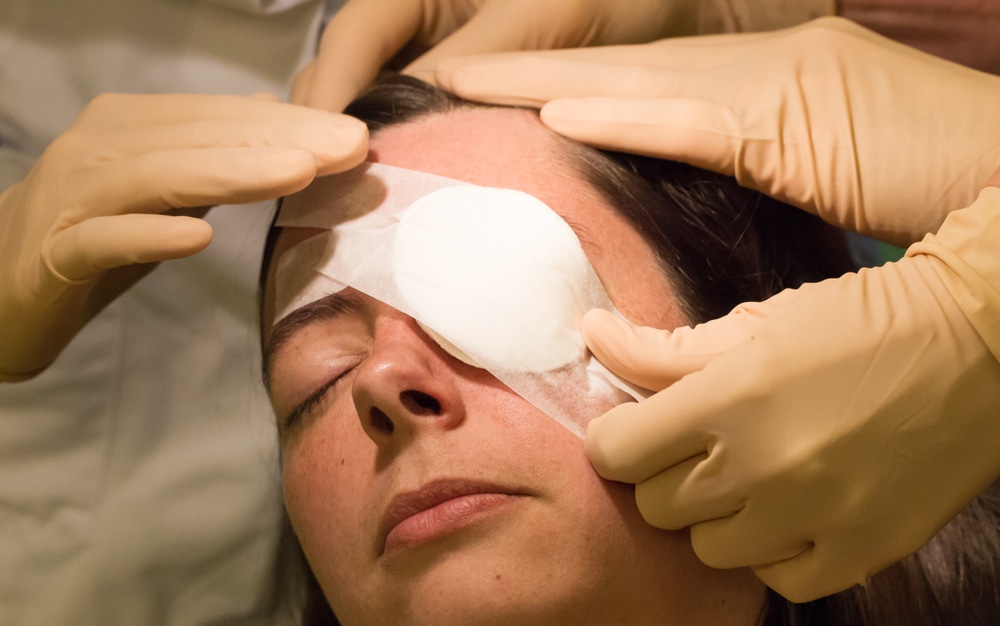
An Eye Injury Can Happen in an Instant
An eye injury can happen in an instant, but the effects may last much longer if you don’t treat the damage properly. Trauma can range from a minor surface injury to a more serious problem involving the cornea, lens, retina, or the eye’s internal structures. Because some injuries can threaten vision even when symptoms seem manageable at first, prompt evaluation is important.
Siepser Eyecare in Wayne, PA provides care for patients with both straightforward and complex eye injuries. Steven B. Siepser, M.D., F.A.C.S., has spent decades restoring vision after trauma and disease and is known for taking on challenging reconstructive eye cases. His experience with eye trauma reconstruction, cataract complications, and intraocular lens problems can be especially important when an injury affects more than one part of the eye.
What Types of Eye Trauma Can Occur?
Eye trauma can result from many different situations, including sports injuries, workplace accidents, falls, household accidents, flying debris, and direct blows to the face or eye.
Common types of eye injuries include:
-
Corneal scratches or abrasions
-
Foreign objects in the eye
-
Chemical injuries
-
Blunt trauma
-
Cuts or puncture wounds
-
Damage to the lens
-
Bleeding inside the eye
-
Retinal injury
-
Fractures around the eye socket
Some injuries may be relatively minor, while others can affect several structures at once and require more advanced treatment.
What Symptoms Can Follow an Eye Injury?
Symptoms depend on the injury type and severity. Some problems are obvious immediately, while others may become more noticeable over the following hours or days.
Possible warning signs include:
-
Eye pain
-
Blurry or decreased vision
-
Redness or swelling
-
Sensitivity to light
-
Double vision
-
New floaters or flashes
-
Blood inside or around the eye
-
Difficulty opening or moving the eye
-
An irregularly shaped pupil
-
A shadow or missing area in vision
Sudden vision loss, severe pain, penetrating injuries, or chemical exposure should be treated as emergencies.
When Should Eye Trauma Be Evaluated?
It is generally safest to have an eye injury evaluated if you have persistent pain, a change in vision, significant redness, bleeding, or concern that something may have entered or struck the eye.
Certain symptoms require especially prompt attention. These include a sudden increase in floaters, flashes of light, a curtain-like shadow in vision, severe swelling, visible cuts, or any object penetrating the eye.
Even when vision seems normal, blunt trauma can sometimes cause internal damage that is not immediately obvious. A thorough examination can help identify problems before they progress.
How Is Eye Trauma Diagnosed and Treated?
Evaluation begins by determining which parts of the eye are affected. Testing may include a vision check, examination of the front and back of the eye, eye pressure measurement, dilation, and imaging when needed.
Treatment depends entirely on the injury. Minor surface damage may heal with medication and monitoring, while more serious trauma can require surgical repair.
Care may involve:
-
Removal of a foreign object
-
Prescription eye drops or medication
-
Treatment for inflammation or infection
-
Repair of corneal or structural damage
-
Cataract treatment if the natural lens is injured
-
Management of intraocular lens complications
-
Retinal treatment when the back of the eye is affected
-
Reconstructive surgery for more extensive damage
The goal is to protect the eye, preserve as much vision as possible, and restore function when damage has already occurred.
Why Choose Siepser Eyecare for Eye Trauma?
Eye trauma can be highly complex, especially when an injury affects the lens, cornea, internal structures, or previous surgical implants. Steven B. Siepser, M.D., F.A.C.S., has devoted much of his career to restoring sight for patients affected by trauma and disease. His areas of focus include eye trauma reconstruction, complicated cataract surgery, and management of intraocular implant complications.
Dr. Siepser is also known throughout the Philadelphia region for accepting difficult cases that may require a more customized surgical approach. With decades of experience in reconstructive and advanced eye surgery, he can evaluate both the immediate injury and the longer-term visual consequences. Patients can also receive ongoing follow-up and comprehensive eye care through the Siepser Eyecare team in Wayne.
Get Care for Eye Trauma in Wayne, PA
Eye injuries should be taken seriously, particularly when pain, vision changes, bleeding, or other sudden symptoms are present. Siepser Eyecare provides evaluation and treatment for a wide range of eye trauma, including complex injuries that may require reconstructive care. For eye trauma care in Wayne, PA, call Siepser Eyecare at (610) 265-2020 to schedule a consultation and discuss next steps to protect your vision.